
Table of Contents
Toggleland development
Land and Development: A Complete Guide
Introduction
internal link:-https://blog.rcland.in/wp-admin
Land has always been one of the most valuable assets for human civilization. From agriculture and housing to infrastructure and industrial zones, land forms the foundation of development. In today’s world, land development is not just about owning a piece of property—it’s about transforming raw land into a valuable, income-generating, and sustainable asset.
This guide will help you understand land and development, opportunities, challenges, and strategies to make the most out of it.
1. Understanding Land
Land can be categorized into several types based on usage:
- Agricultural Land – used for farming and food production.
- Residential Land – for housing and apartment complexes.
- Commercial Land – for shops, offices, and malls.
- Industrial Land – for factories, warehouses, and logistics hubs.
- Recreational & Institutional Land – for parks, schools, hospitals, etc.
Each type of land holds different development potential and value depending on location, accessibility, and demand.
2. What is Land Development?
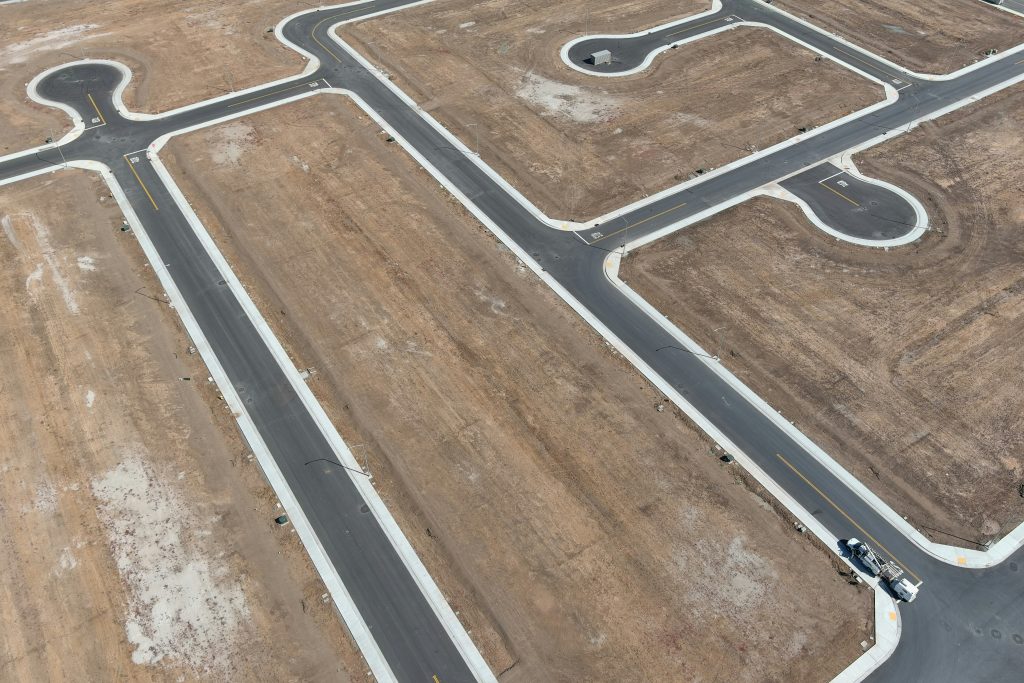
Land development refers to the process of enhancing the value of land by making improvements such as infrastructure, utilities, zoning changes, or construction projects.
Examples of development include:
- Subdividing large plots into smaller, sellable lots.
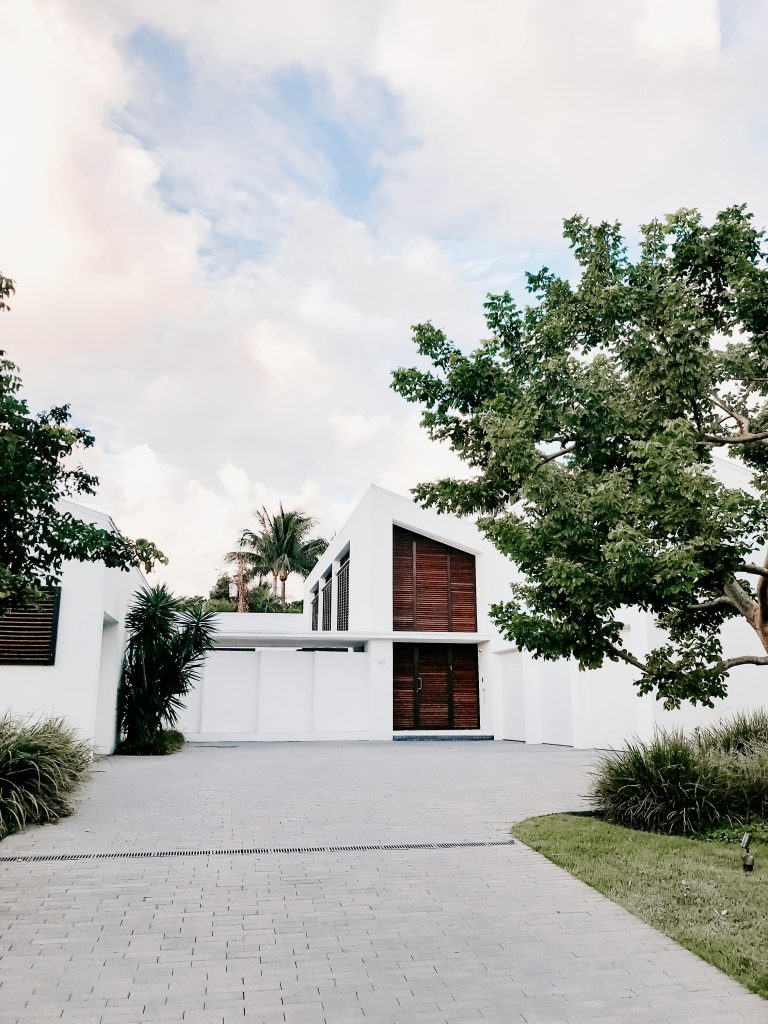
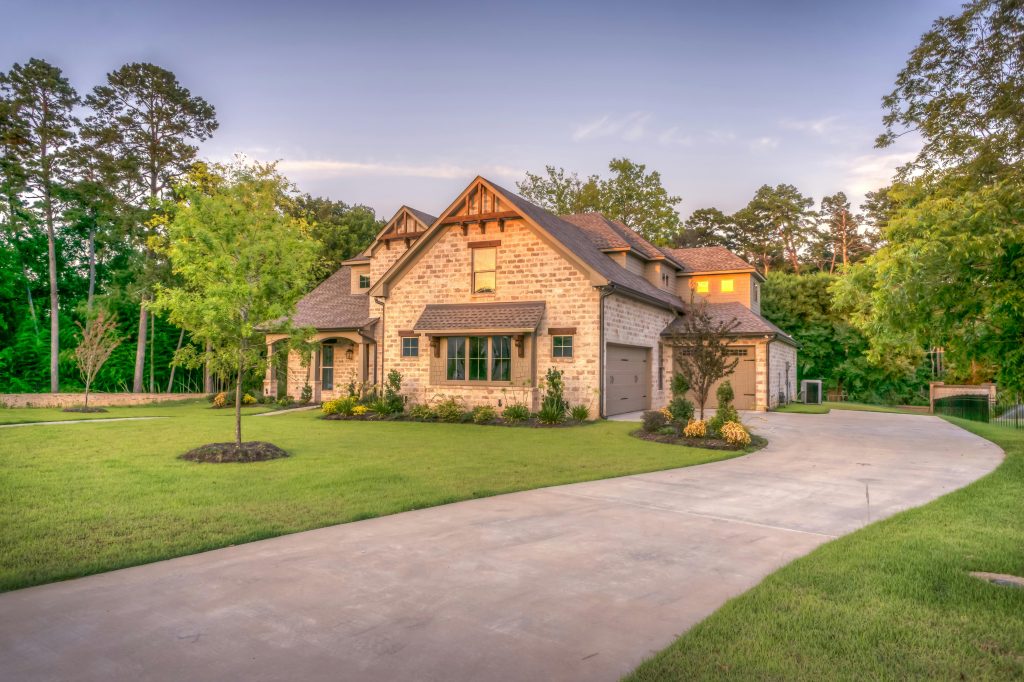
- Building residential communities.
- Developing commercial complexes.
- Creating industrial parks.
3. The Importance of Land Development
- Economic Growth – Boosts employment, trade, and real estate value.
- Urbanization – Meets housing and infrastructure needs of growing cities.
- Wealth Creation – Enhances property values and investor returns.
- Community Benefits – Provides schools, hospitals, and public spaces.
4. Steps in Land Development
Developing land involves multiple stages:
Step 1: Land Acquisition
- Research and purchase suitable land.
- Consider location, future growth potential, and government plans.
Step 2: Feasibility Study
- Analyze zoning regulations, soil testing, environmental impact, and costs.
Step 3: Planning & Design
- Layout roads, utilities, green spaces, and plots.
- Collaborate with architects, engineers, and planners.
Step 4: Regulatory Approvals
- Secure permits from local authorities.
- Ensure compliance with laws and safety standards.
Step 5: Infrastructure Development
- Roads, drainage, electricity, and water supply installation.
Step 6: Construction / Final Development
- Build residential, commercial, or industrial structures as planned.
Step 7: Marketing & Sales
- Attract buyers or investors through advertising and real estate agents.
5. Factors Affecting Land Development
- Location – Proximity to cities, transport, and resources.
- Zoning Laws – Government rules on land usage.
- Infrastructure – Availability of roads, power, water.
- Market Demand – Housing and commercial needs.
- Environment – Flood zones, forests, or restricted areas.
6. Opportunities in Land Development
- Residential Projects – Housing societies, apartments.
- Commercial Projects – Office towers, shopping malls.
- Industrial Development – Warehouses, factories.
- Mixed-Use Development – Combination of residential + commercial.
- Eco-Friendly Development – Green buildings, renewable energy projects.
7. Challenges in Land Development
- High Initial Investment – Requires capital and loans.
- Regulatory Hurdles – Long approval processes.
- Environmental Concerns – Deforestation, pollution, climate risks.
- Market Risks – Demand-supply fluctuations.
- Community Resistance – Local opposition to large projects.
8. Sustainable Land Development
Modern development must balance growth with environmental responsibility. Sustainable practices include:
- Using renewable energy in projects.
- Preserving green areas.
- Rainwater harvesting and waste management.
- Energy-efficient building designs.
9. Investment in Land Development
Investors can gain through:
- Buying and holding land for appreciation.
- Partnering with developers.
- Real Estate Investment Trusts (REITs).
- Leasing land for commercial/industrial use.
10. Future of Land Development
- Smart Cities – Technology-driven urban planning.
- Green Development – Eco-conscious projects.
- Affordable Housing – High demand in growing economies.
- Infrastructure Expansion – Roads, metros, airports driving land value.
Conclusion
Land and development play a central role in shaping our economy, society, and future. With proper planning, legal compliance, and sustainable practices, land development offers vast opportunities for investors, communities, and governments alike. Whether it’s building homes, offices, or green cities, the transformation of land into developed property is one of the most powerful drivers of progress. residential,
follow up my youtube channel:-https://youtube.com/@prayagisenu?si=KM-jCdF5ipYZp76B