


Table of Contents
Toggleluxury homes for sale:-https://blog.rcland.in/wp-admin
Luxury Real Estate: A Complete Guide
Introduction
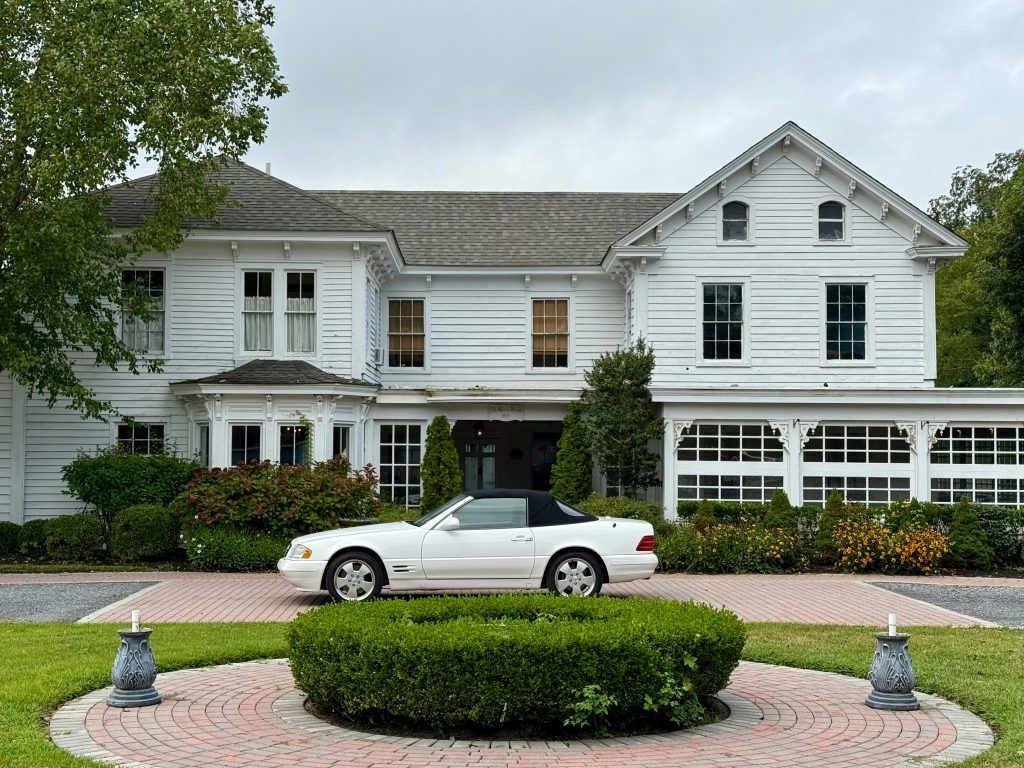
Luxury real estate luxury homes for sale represents more than just high-priced property. luxury homes for sale It’s about exclusivity, prestige, and lifestyle.
- Prime Location – Coastal properties, mountain retreats, urban penthouses, or gated communities in prestigious neighborhoods.
- Architectural Design – Custom-built homes with innovative layouts, smart technology, and elegant aesthetic
Key Segments of Luxury Real Estate
- Urban Luxury – High-rise penthouses, smart apartments, and city-view condos in global hubs like New York, London, Dubai, or Mumbai.
- Resort-Style Properties – Villas and estates in tourist destinations like the Maldives, Bali, or the Caribbean.
- Country Estates – Expansive rural properties offering privacy, vineyards, or equestrian facilities.
The Global Luxury Real Estate Market
luxury homes for sale
Luxury real estate is a multi-trillion-dollar industry that continues to grow despite economic uncertainties.
Key Market Drivers
- Wealth Creation – Growth of global millionaires and billionaires.
Popular Luxury Markets (luxury homes for sale)
- North America – New York, Los Angeles, Miami, Toronto.
- Europe – London, Paris, Monaco, Geneva.
Investing in Luxury Real Estate (luxury homes for sale)
Luxury properties are both lifestyle assets and wealth-building tools.
Benefits
- Strong Appreciation Potential – Especially in prime locations.
- Rental Income – High returns from short-term rentals and vacation homes.
Risks
- Market Volatility – Sensitive to economic downturns.
- High Maintenance Costs – Security, staff, and upkeep.
Investment Strategies
- Buy and Hold – Long-term appreciation.
- Luxury Rentals – Airbnb Luxe, vacation rentals, and corporate housing
Luxury Real Estate Marketing
Selling luxury property requires exclusive strategies:
- High-End Branding – Professional photography, virtual tours, drone footage.
- Targeted Advertising – Luxury magazines, elite social platforms, and private networks.
- Events & Showings – Invite-only open houses, VIP events, and international roadshows.
follow up my you tube channel:-https://youtube.com/@prayagisenu?si=KM-jCdF5ipYZp76B
Work life balance tips
Balancing Work and Life(Work life balance tips):-https://blog.rcland.in/wp-admin
In today’s fast-paced world, the balance between professional obligations and personal life has become one of the most important challenges. With technology keeping us connected 24/7, many people find themselves working long hours, struggling to find time for family, health, hobbies, and rest. Work-life balance is not about splitting time equally but about creating harmony between work and personal priorities. When achieved, it leads to better productivity, happiness, and overall well-being.
1. Understanding Work-Life Balance
Work-life balance means managing professional responsibilities and personal activities in a way that reduces stress and enhances quality of life. It doesn’t mean working less; rather, it’s about working smarter, setting boundaries, and making intentional time for both career growth and personal fulfillment.
Signs of imbalance include:
- Constant stress and fatigue.
- Neglecting family or social connections.
- Lack of time for self-care, exercise, or hobbies.
- Burnout or loss of passion at work.
2. Why Work-Life Balance Matters
- Improves Mental Health – Having time to rest and recharge reduces anxiety and prevents burnout.
- Boosts Productivity – Balanced individuals focus better, make fewer mistakes, and work more efficiently.
- Strengthens Relationships – Spending quality time with loved ones improves emotional well-being.
- Encourages Personal Growth – With time for hobbies, learning, and self-care, life becomes more fulfilling.
- Promotes Physical Health – Reduced stress leads to better sleep, improved immunity, and fewer lifestyle diseases.
3. Common Challenges in Maintaining Balance
- Technology Overload – Constant emails, calls, and messages blur the line between work and home.
- Unrealistic Expectations – Employers or individuals expecting 24/7 availability.
- Poor Time Management – Wasting time on distractions, leading to overwork later.
- Guilt Factor – Feeling guilty for taking breaks or spending time away from work.
- Cultural and Economic Pressures – In competitive environments, people often prioritize career over personal life.
4. Practical Strategies for Work-Life Balance
A. Time Management
- Prioritize tasks using the Eisenhower Matrix (urgent vs. important).
- Use tools like calendars, planners, or apps to schedule both work and personal activities.
- Break projects into smaller steps to avoid last-minute stress.
B. Set Boundaries
- Establish clear work hours and stick to them.
- Learn to say “No” when workloads exceed capacity.
- Avoid checking emails or calls after work unless urgent.
C. Create a Healthy Routine
- Start the day with exercise, meditation, or journaling.
- Schedule meals and breaks to recharge.
- Ensure 7–8 hours of quality sleep.
D. Embrace Flexibility
- Take advantage of remote work or hybrid options when possible.
- Adjust schedules to accommodate personal commitments without sacrificing productivity.
E. Delegate and Share Responsibility
- At work, delegate tasks instead of trying to do everything.
- At home, share household responsibilities with family members.
F. Make Time for Self-Care
- Engage in hobbies like reading, painting, or music.
- Practice mindfulness or yoga to reduce stress.
- Take short vacations or weekend breaks.
G. Build Supportive Relationships
- Communicate with employers about workload and expectations.
- Surround yourself with friends and family who respect your boundaries.
- Seek mentorship for career guidance.
5. Balancing for Different Life Stages
- Students and Early Professionals – Focus on building routines, avoiding overcommitment, and learning time management.
- Parents – Prioritize family time, use flexible work arrangements, and share childcare responsibilities.
- Mid-Career Professionals – Avoid burnout by focusing on long-term health and personal passions.
- Retirement Stage – Balance shifts towards hobbies, family, and health while reducing professional obligations.
6. Organizational Role in Work-Life Balance
Companies play a major role in helping employees achieve balance. Supportive organizations often provide:
- Flexible work hours or hybrid models.
- Wellness programs (fitness, mental health counseling).
- Encouragement of paid leave without stigma.
- Clear policies against excessive overtime.
- Team-building activities that enhance morale without burdening employees.
Balanced employees are more loyal, productive, and innovative.
7. The Future of Work-Life Balance
As technology evolves, so will the challenges of balance. Artificial Intelligence, automation, and remote work can make life easier, but they can also blur boundaries further. The future will likely focus on:
- Results-based performance instead of fixed hours.
- Digital detox practices to reduce screen fatigue.
- Personalized work schedules that respect individual lifestyles.
- Increased awareness of mental health in workplaces.