

Table of Contents
ToggleReduces Stress: Practical Ways to Find Calm in Daily Life
Reduces stress |
(:-https://blog.rcland.in/wp-admin
Stress has become one of the most common challenges in modern living. From work deadlines and financial pressures to family responsibilities and personal struggles, stress seems unavoidable. While a certain amount of stress can motivate us to perform better, chronic stress can harm our mental, emotional, and physical health. Learning effective ways to reduce stress is essential for a healthier, happier, and more balanced life.
This article explores what stress is, its impact on the body and mind, and practical ways to reduce stress in everyday life.
Understanding Stress
Stress is the body’s natural response to any demand or challenge. When we feel threatened or pressured, our body releases hormones like adrenaline and cortisol, triggering the “fight-or-flight” response. While this reaction can be helpful in dangerous situations, long-term stress keeps these hormones elevated, which harms overall well-being.
Common Causes of Stress
Reduces Stress
Work pressure and tight schedules- Financial difficulties
- Health problems
- Relationship conflicts
- Major life changes
- Lack of rest or sleep
Effects of Stress
(Reduces Stress)
Chronic stress can lead to multiple physical, emotional, and behavioral problems:
Physical Effects
- Headaches and fatigue
- High blood pressure
- Heart disease risk
- Weakened immune system
- Sleep disturbances
Emotional Effects
- Anxiety and worry
- Irritability or mood swings
- Feeling overwhelmed
- Depression
Behavioral Effects
- Overeating or loss of appetite
- Withdrawal from social life
- Alcohol, smoking, or drug use
- Difficulty concentrating
Understanding these effects helps highlight why reducing stress is so important.
Practical Ways to Reduce Stress
1. Practice Deep Breathing
Breathing exercises are one of the quickest ways to calm the nervous system. Slow, deep breaths lower heart rate and blood pressure, signaling the body to relax. Techniques like 4-7-8 breathing or belly breathing can be practiced anywhere.
2. Exercise Regularly
Physical activity releases endorphins, which act as natural stress relievers. Activities like walking, yoga, cycling, or dancing not only improve mood but also keep the body strong and energized.
3. Maintain a Healthy Diet
Eating a balanced diet with fruits, vegetables, whole grains, and lean proteins supports both physical and mental health. Avoiding excessive caffeine, sugar, and junk food helps prevent mood swings and energy crashes.
4. Get Enough Sleep
Sleep is essential for the body to recharge. Lack of rest increases stress and reduces focus. Aim for 7–9 hours of quality sleep by maintaining a regular bedtime and reducing screen time before sleeping.
5. Practice Mindfulness and Meditation
Mindfulness involves focusing on the present moment without judgment. Meditation, even for just 10 minutes a day, can lower stress, improve concentration, and boost emotional resilience.
6. Manage Your Time Wisely
Stress often comes from feeling rushed or overwhelmed. Planning tasks, setting priorities, and breaking large goals into smaller steps can reduce pressure. Learning to say “no” when necessary also prevents burnout.
7. Stay Connected with Others
Talking with trusted friends or family provides emotional support. Sharing your feelings helps lighten the mental load and reminds you that you are not alone.
8. Limit Technology Overload
Constant notifications, emails, and social media can increase anxiety. Setting boundaries, like screen-free time in the evening, helps restore balance.
9. Engage in Relaxing Activities
Hobbies such as painting, gardening, reading, or listening to music help shift focus away from stress and bring joy.
effective ways to reduce stress naturally through relaxation techniques, mindfulness, exercise, and healthy lifestyle habits to improve your overall well-being.
Stress is a common part of modern life.
Everyone experiences it at some point.
Learning how to reduce stress is essential for well-being.
Relaxation techniques can calm the mind.
Deep breathing helps control stress levels.
Meditation allows the body to unwind.
Gentle yoga can ease both tension and anxiety.
Listening to calming music can restore balance.
Taking short walks clears mental clutter.
Nature has a healing effect on stress.
Spending time outdoors rejuvenates the soul.
Proper sleep reduces emotional strain.
A healthy diet supports stress management.
Hydration improves mental clarity.
Avoiding caffeine late in the day helps calmness.
Talking about feelings releases pressure.
Sharing worries lightens emotional burdens.
Positive thinking shifts focus from problems.
Gratitude builds emotional strength.
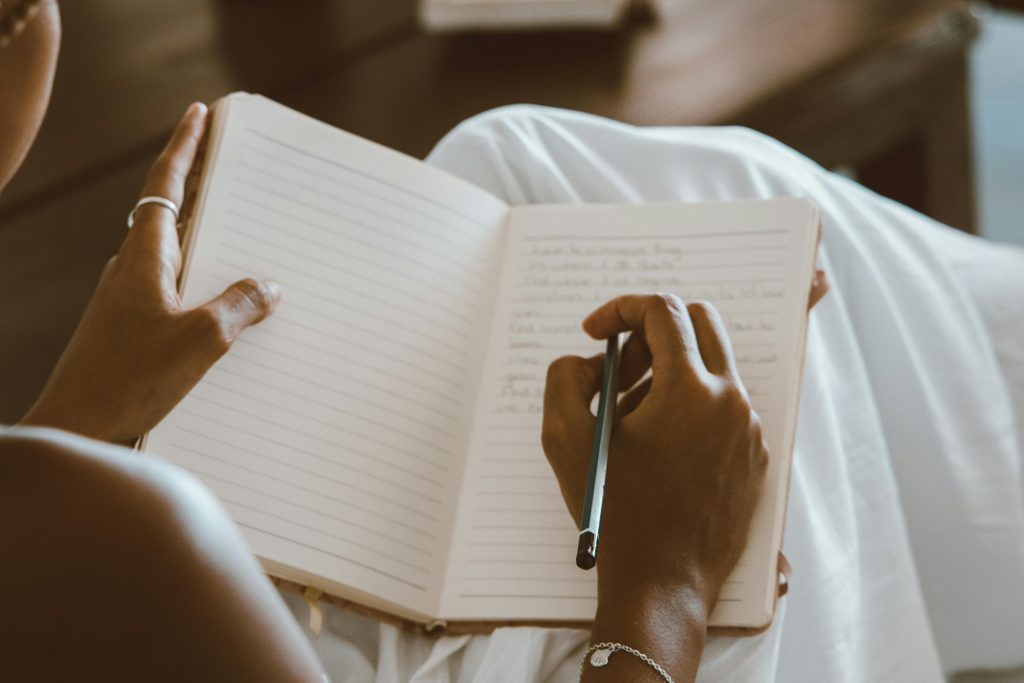
Journaling helps process thoughts.
follow up my you tube channel:-https://youtube.com/@prayagisenu?si=KM-jCdF5ipYZp76B