

Table of Contents
Togglephysical fitness
internal link:-https://blog.rcland.in/wp-admin
Physical Activity: The Foundation of a Healthy Life(physical fitness)
Physical activity is one of the most essential components of human health. From the moment we take our first steps as children to our daily movements as adults, activity plays a vital role in keeping our bodies and minds strong. In today’s fast-paced, technology-driven world, many people lead sedentary lifestyles, which has contributed to rising rates of obesity, heart disease, diabetes, and mental health challenges. Engaging in regular physical activity is not just about fitness—it is about creating a foundation for long-term well-being.
What is Physical Activity?
Physical activity refers to any movement of the body that requires energy. This includes not just structured exercises such as running, swimming, or going to the gym, but also daily movements like walking, cleaning, gardening, or playing with children. The World Health Organisation (WHO) defines physical activity broadly as “any bodily movement produced by skeletal muscles that requires energy expenditure.”
Benefits of Physical Activity
1. Physical Health Benefits physical fitness
- Strengthens the heart: Regular activity improves cardiovascular function, lowers blood pressure, and reduces the risk of heart disease.
- Supports weight management: Exercise helps burn calories and regulate metabolism, preventing obesity.
- Improves bone and muscle health: Weight-bearing activities strengthen bones, while resistance training maintains muscle mass.
- Boosts immunity: Consistent movement enhances immune system function.
- Promotes better sleep: Physical activity helps regulate sleep cycles and improves sleep quality.
2. Mental Health Benefits
- Reduces stress and anxiety: Exercise releases endorphins, the body’s natural “feel-good” chemicals.
- Fights depression: Physical activity can improve mood and reduce symptoms of depression.
- Sharpens memory and focus: Activities that raise the heart rate improve blood flow to the brain, supporting cognitive function.
- Increases self-confidence: Reaching fitness goals builds self-esteem and resilience.
3. Social Benefits
- Encourages teamwork through sports and group classes.
- Provides opportunities to meet new people.
- Strengthens family bonds when done together.
Types of Physical Activity
physical fitness
- Aerobic Activity (Cardio):
Increases heart rate and breathing, improving cardiovascular endurance.
Examples: walking, jogging, swimming, cycling, dancing. - Strength Training:
Builds and maintains muscle strength and bone density.
Examples: weightlifting, resistance bands, bodyweight exercises (push-ups, squats). - Flexibility Exercises:
Improve range of motion and prevent injury.
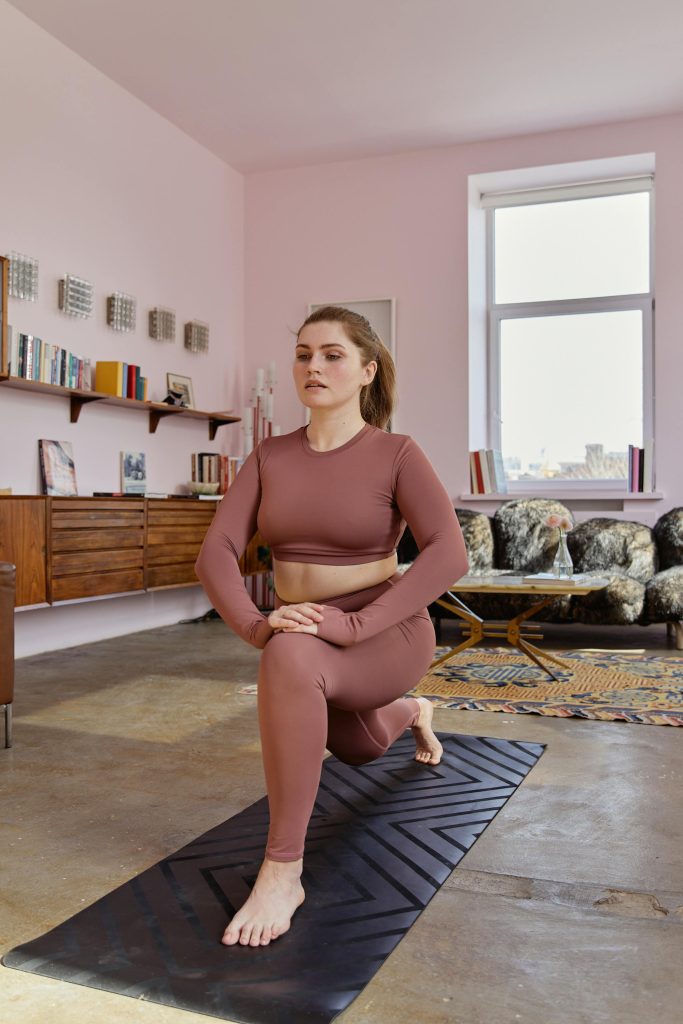
Examples: stretching, yoga, Pilates. - Balance and Coordination Activities:
Especially important for older adults to prevent falls.
Examples: tai chi, balance drills, stability exercises.
Recommended Levels of Physical Activity
According to WHO:
- Adults (18–64 years): At least 150–300 minutes of moderate-intensity aerobic activity per week or 75–150 minutes of vigorous activity, plus muscle-strengthening activities twice weekly.
- Children (5–17 years): At least 60 minutes of moderate-to-vigorous activity daily.
- Older Adults (65+ years): Similar to adults, with added focus on balance and coordination to prevent falls.
Making Physical Activity Part of Daily Life
- Take the stairs instead of the elevator.
- Walk or cycle for short trips instead of driving.
- Stand up and stretch during long work hours.
- Do household chores with energy—cleaning, gardening, or organizing can all count.
- Schedule workouts like appointments to stay consistent.
Overcoming Barriers to Physical Activity
Many people struggle to stay active due to time, motivation, or resources. Here are solutions:
- Lack of time: Break activity into shorter sessions (3 × 10 minutes a day).
- Lack of motivation: Find a workout partner or join a class.
- Limited resources: Use bodyweight exercises at home or go for outdoor walks.
- Health concerns: Consult a doctor for safe and tailored exercise plans.
Physical Activity and Technology
Technology can be both a barrier and a tool. While screens keep many people sedentary, apps, smartwatches, and online classes have made it easier than ever to track and stay motivated in fitness. Virtual communities also encourage accountability.
Conclusion
Physical activity is not a luxury but a necessity for a healthier and longer life. From reducing chronic diseases to improving mental health and enhancing daily energy, movement is medicine. No matter your age or fitness level, it is never too late to start. By making small, consistent changes—walking more, stretching regularly, or joining a sport—you can create lasting benefits for both your body and mind.
follow my you tube channel https://youtube.com/@prayagisenu?si=KM-jCdF5ipYZp76B