
Table of Contents
ToggleBest balanced daily routine
https://blog.rcland.in/wp-admin
Time Blocking: Master Your Day with Focus and Efficiency
Time is one of our most precious resources, yet most of us struggle to manage it effectively. Between meetings, emails, social media, and personal tasks, it’s easy for your day to slip away without meaningful progress.
What is Time Blocking
Time blocking is the practice of dividing your day into dedicated blocks of time, each assigned to a specific task or group of tasks.
Benefits of Time Blocking(Best balanced daily routine)
- Enhanced Focus
By dedicating uninterrupted time to a single task, you minimize distractions and maximize concentration. This often leads to higher-quality work and faster completion times. - Better Time Awareness(balanced daily routine)
Time blocking makes you more aware of how long tasks actually take, helping you plan realistically and avoid overcommitting. - balanced daily routine Reduced Decision Fatigue
When your day is planned in advance, you spend less mental energy deciding what to do next. Your schedule guides you, freeing up cognitive bandwidth. - Increased Productivity(balanced daily routine)
Focused work in structured intervals boosts output and helps you achieve your goals more efficiently.
How to Implement Time Blocking
1. Analyze Your Current Schedule
Start by tracking your daily activities for a week. Note how long tasks actually take and where distractions occur. This analysis helps you identify patterns and prioritize effectively.
2. Prioritize Tasks
(balanced daily routine)
Identify high-impact tasks—those that move you closer to your goals—and make them the focus of your prime working hours. Time blocking works best when aligned with your natural energy levels.
3. Create Time Blocks(balanced daily routine)
Divide your day into segments for different types of work. Some common categories include:
- Deep Work: Tasks requiring focus and creativity.
- Admin Tasks: Emails, calls, or paperwork.
- Meetings: Scheduled collaborations with others.
- Breaks: Short pauses to recharge.
- Personal Time: Exercise, family, hobbies, and rest.
4. Allocate Realistic Durations(Best balanced daily routine)
Avoid underestimating how long tasks take. If a task usually takes 90 minutes, block 2 hours to allow for unexpected interruptions.
5. Use a Calendar or Planner(Best balanced daily routine)
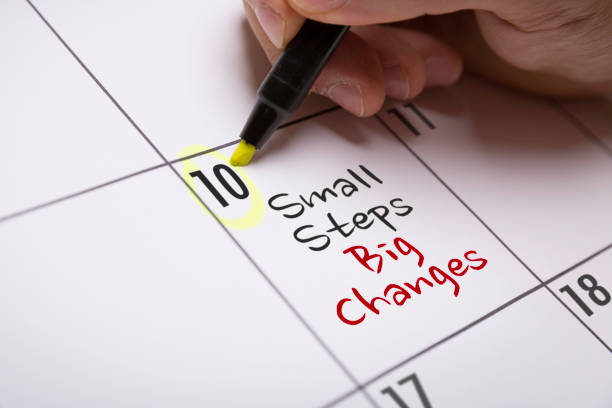
Visualize your blocks on a digital calendar (Google Calendar, Outlook) or a paper planner. Color-coding by task type can enhance clarity and make it easier to follow.
6. Set Boundaries(Best balanced daily routine)
Inform colleagues and family about your schedule to minimize interruptions. Turn off notifications during deep work blocks to maintain focus.
7. Review and Adjust(Best balanced daily routine)
At the end of each week, review your schedule:
- Did tasks fit into the allocated time?
- Were some blocks too long or too short?
- Adjust for better accuracy next week.
Tips for Effective Time Blocking
- Batch Similar Tasks: Group similar tasks together (e.g., emails, calls) to reduce context-switching.
- Start with Fixed Commitments: Schedule immovable tasks first (meetings, appointments).
- Leave Buffer Time: Include transition periods to account for overruns.
- Protect Deep Work: Reserve your most productive hours for high-value tasks.
- Be Flexible: Life is unpredictable. Adjust your blocks as needed without guilt.
Time Blocking Examples
Example 1: Workday
| Time | Task |
|---|---|
| 7:00 – 7:30 AM | Breakfast / Prep |
| 7:30 – 9:30 AM | Study Block (Focus Subject) |
| 9:30 – 9:45 AM | Break |
| 9:45 – 11:45 AM | Study Block (Secondary Subject) |
| 11:45 – 12:15 PM | Exercise / Walk |
| 12:15 – 1:00 PM | Lunch |
| 1:00 – 3:00 PM | Assignment / Project Work |
| 3:00 – 3:15 PM | Break |
| 3:15 – 5:00 PM | Revision / Practice |
| 5:00 – 6:00 PM | Hobbies / Relaxation |
| 6:00 PM onwards | Family / Leisure / Sleep Prep |
Common Pitfalls and How to Avoid Them(balanced daily routine)
- Overloading Your Schedule
Trying to fill every minute leads to stress. Include breaks and buffer time. - Being Too Rigid
Life is unpredictable. Adapt your blocks instead of abandoning them entirely. - Ignoring Energy Levels
Schedule challenging tasks during peak energy hours for maximum productivity.
Key Principles for Balance
Stay consistent, not perfect.
Keep time for physical, mental, and emotional wellness.
Include flexibility — adapt based on your goals and lifestyle.
- follow my youtube channel:-https://youtube.com/@prayagisenu?si=KM-jCdF5ipYZp76B